Master Thesis
Dyslexia AI Reading Tool
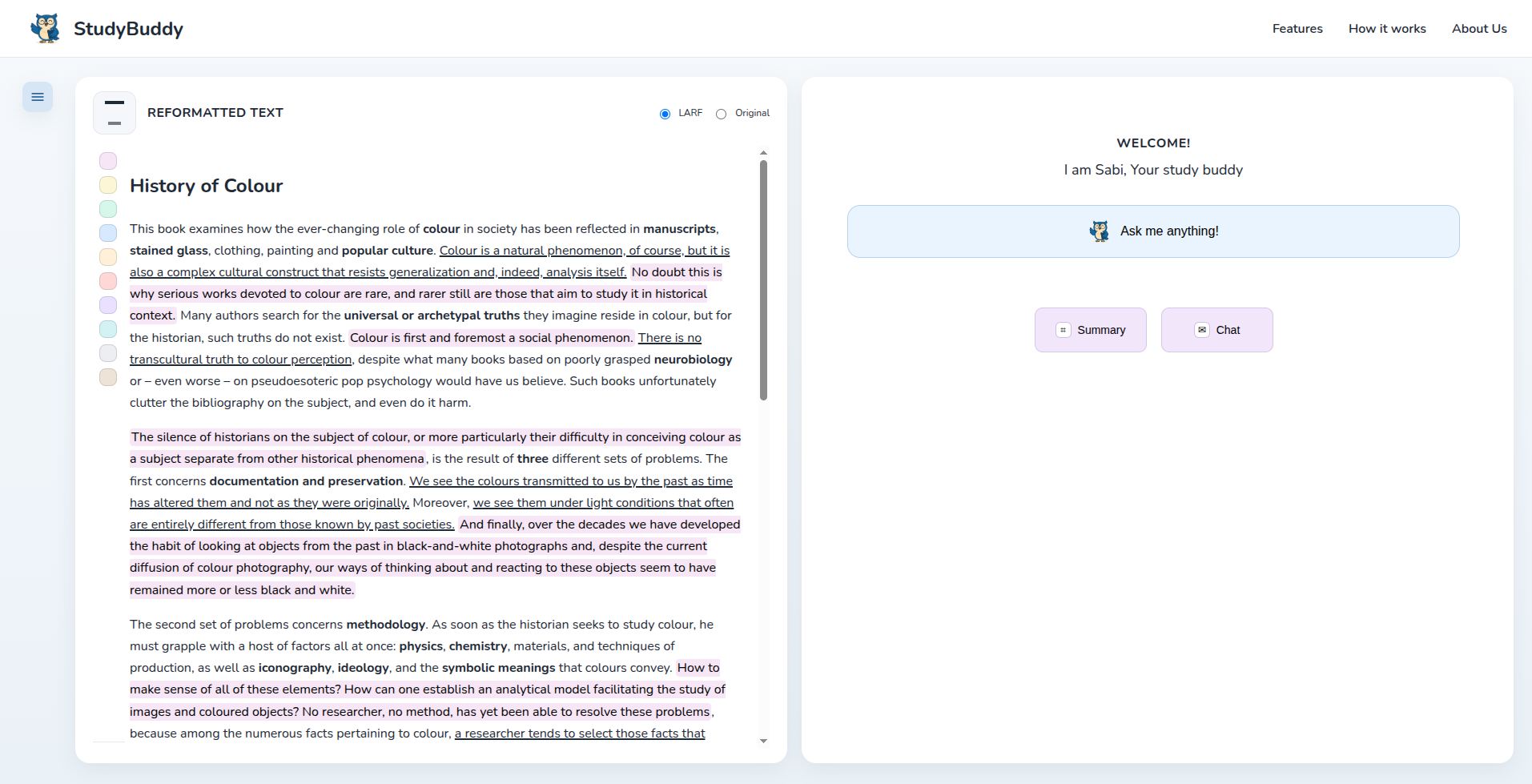
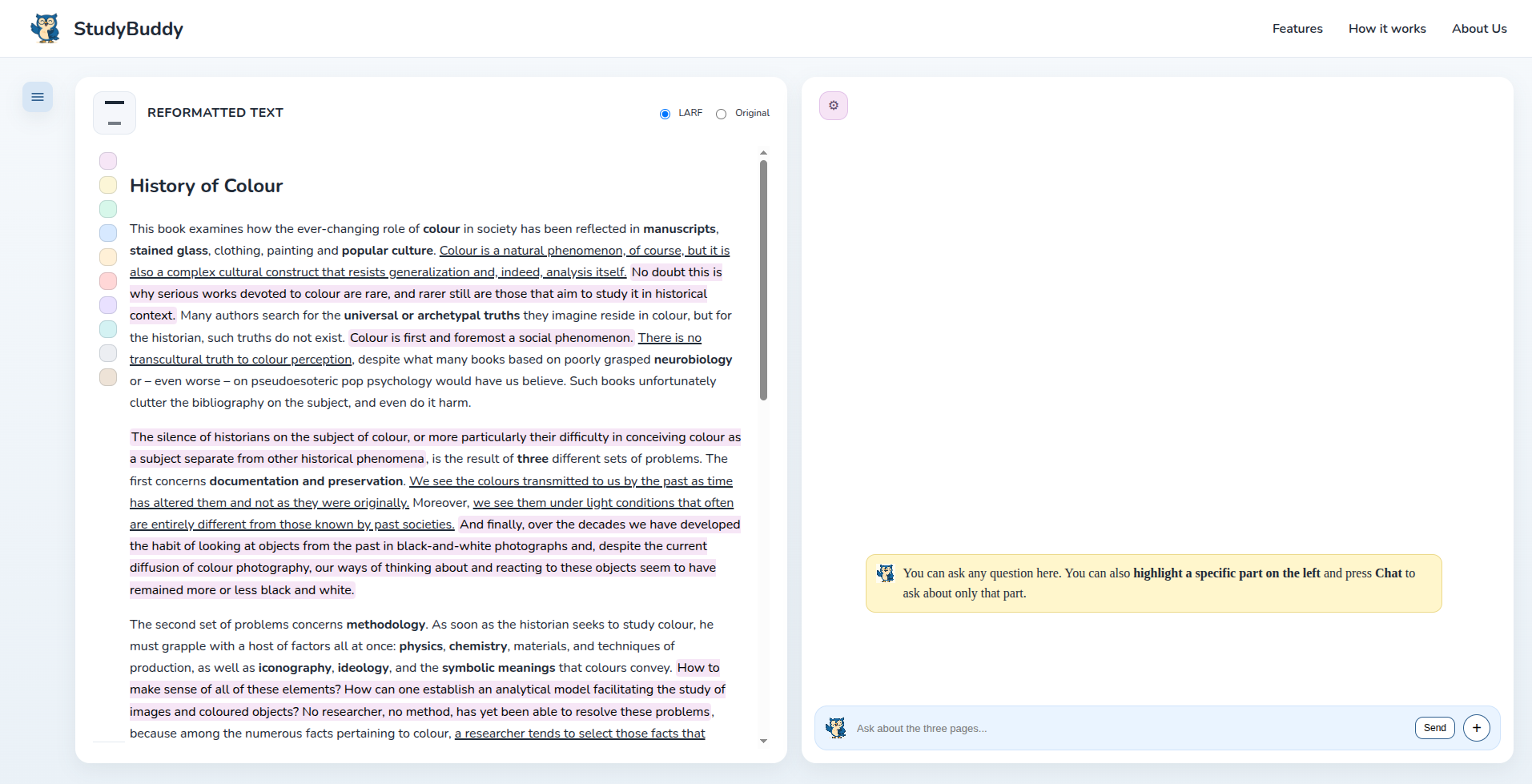
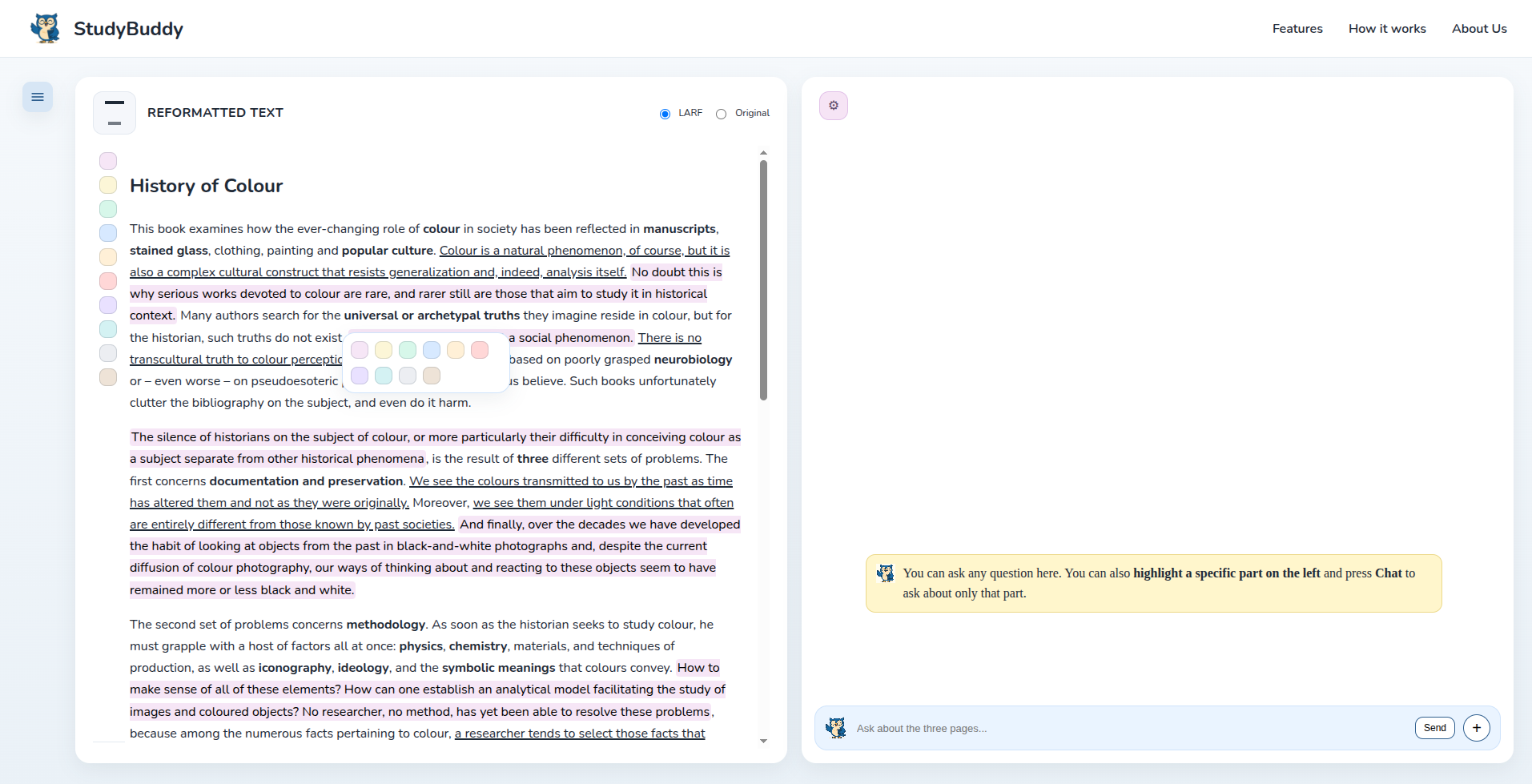
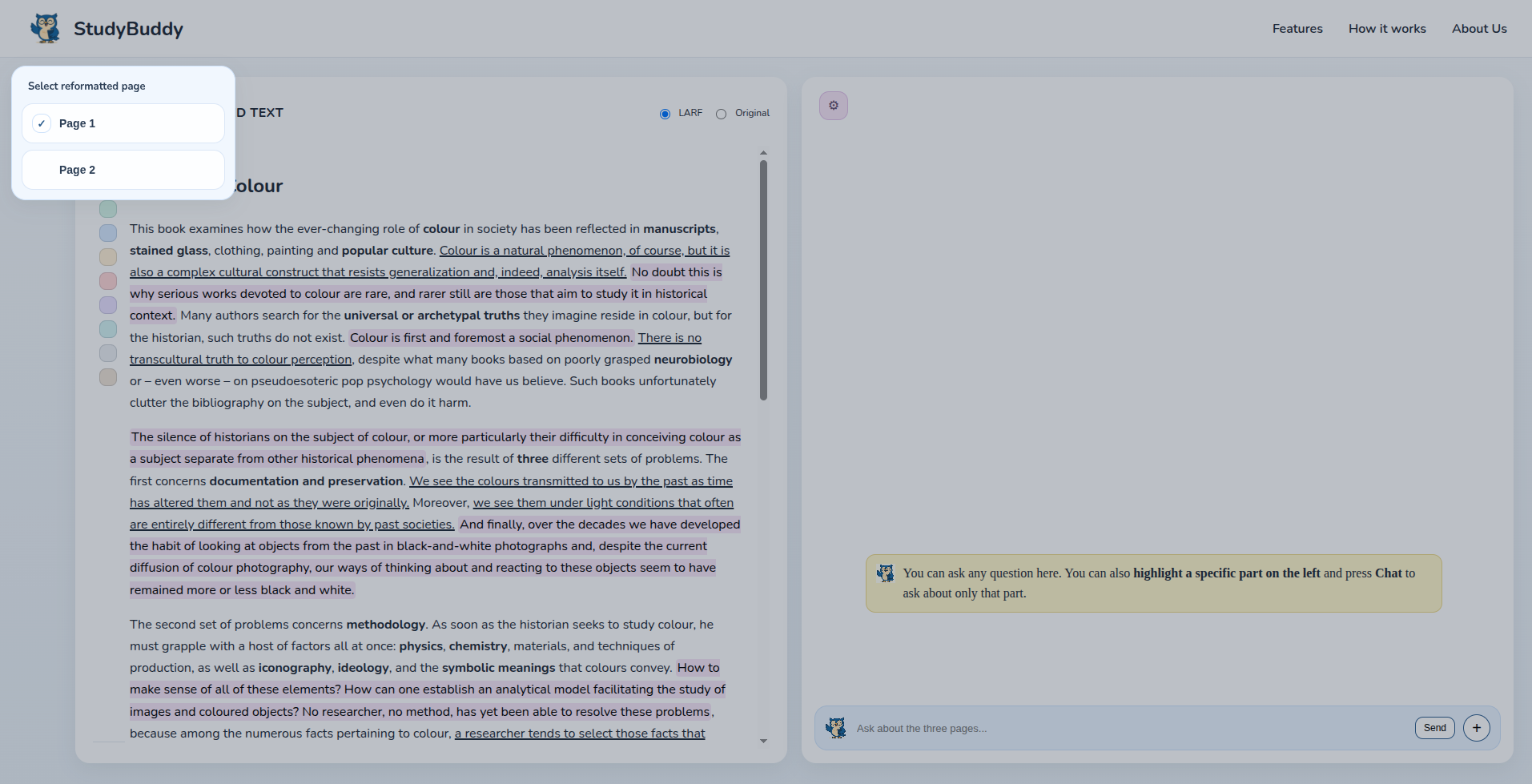
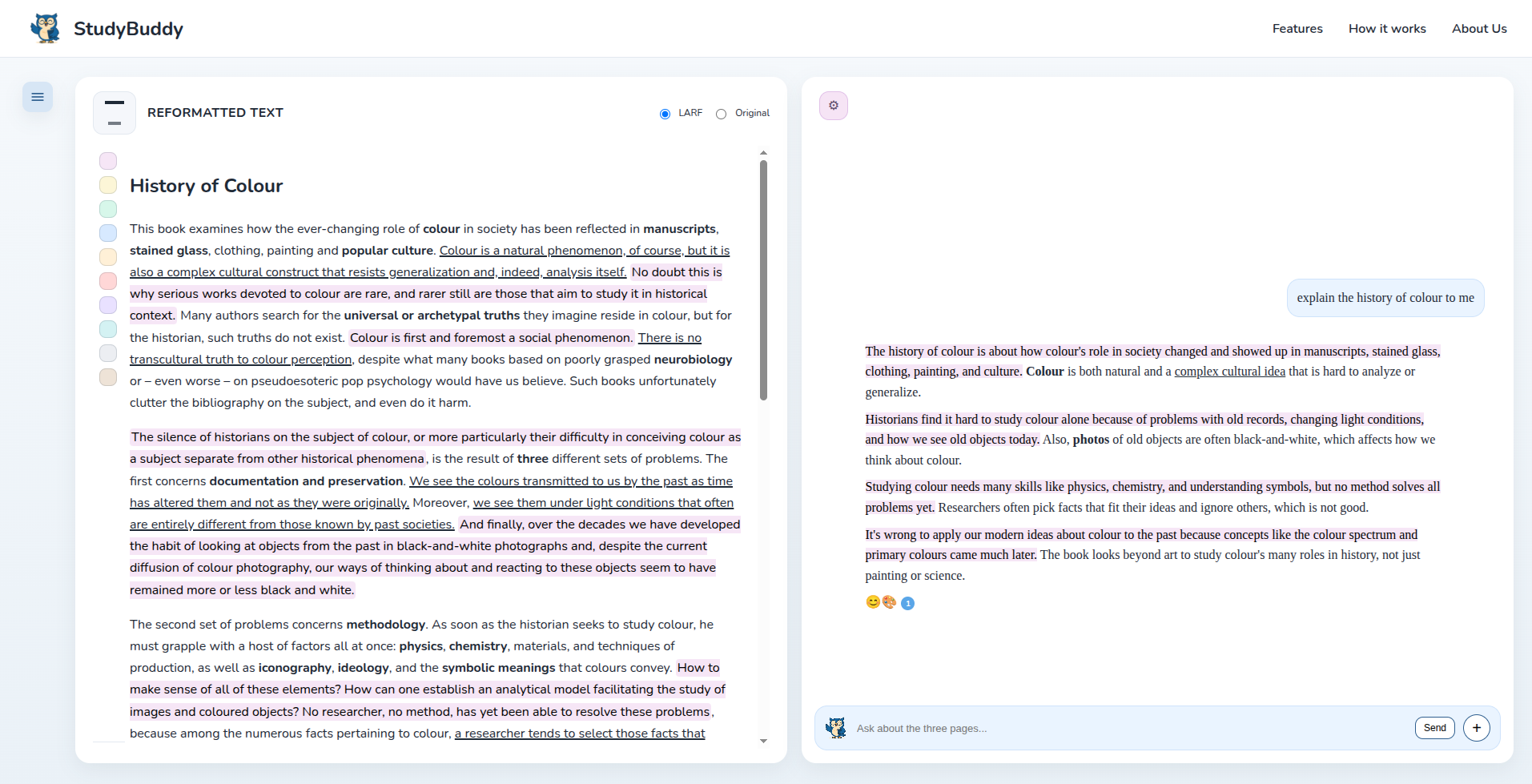
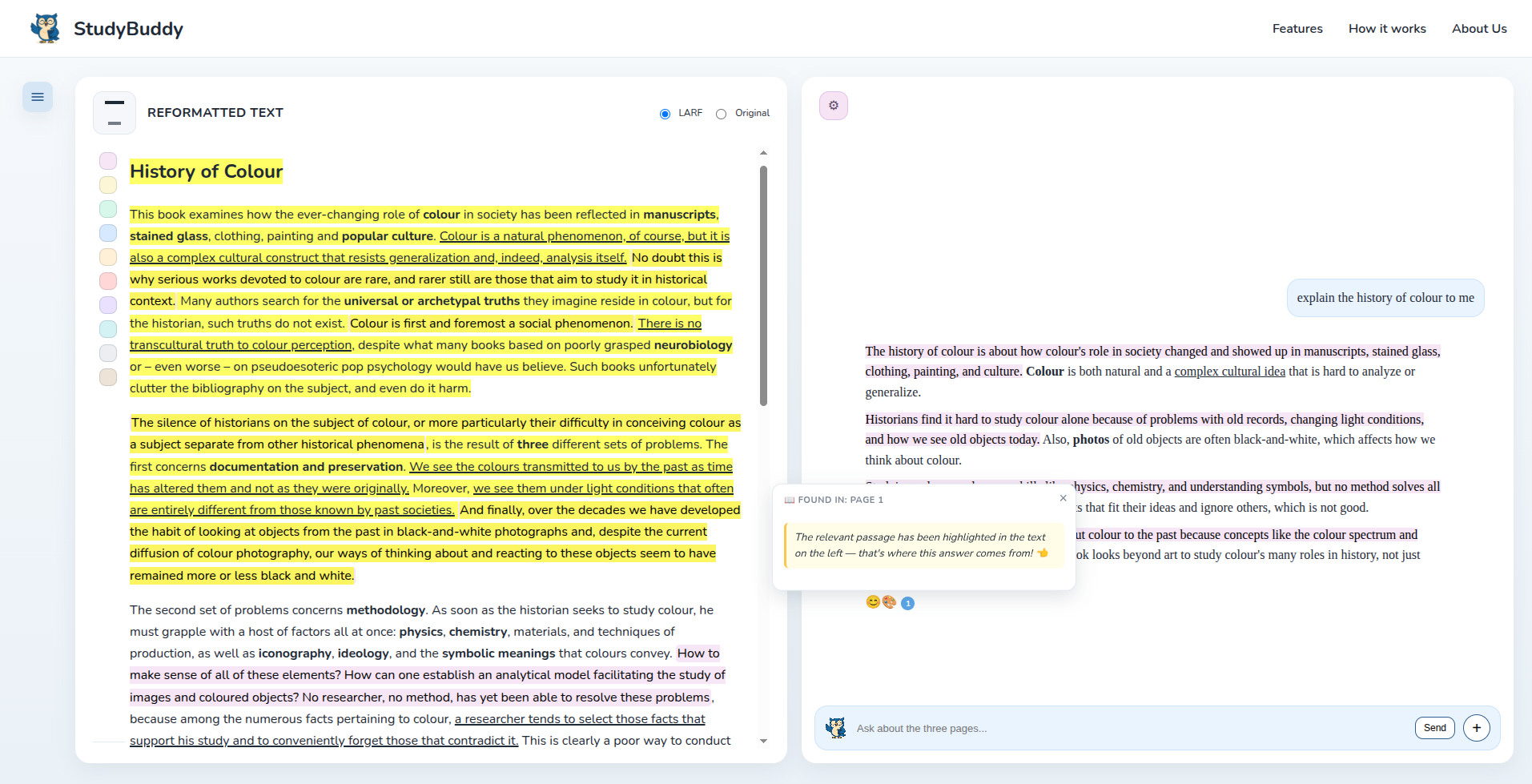
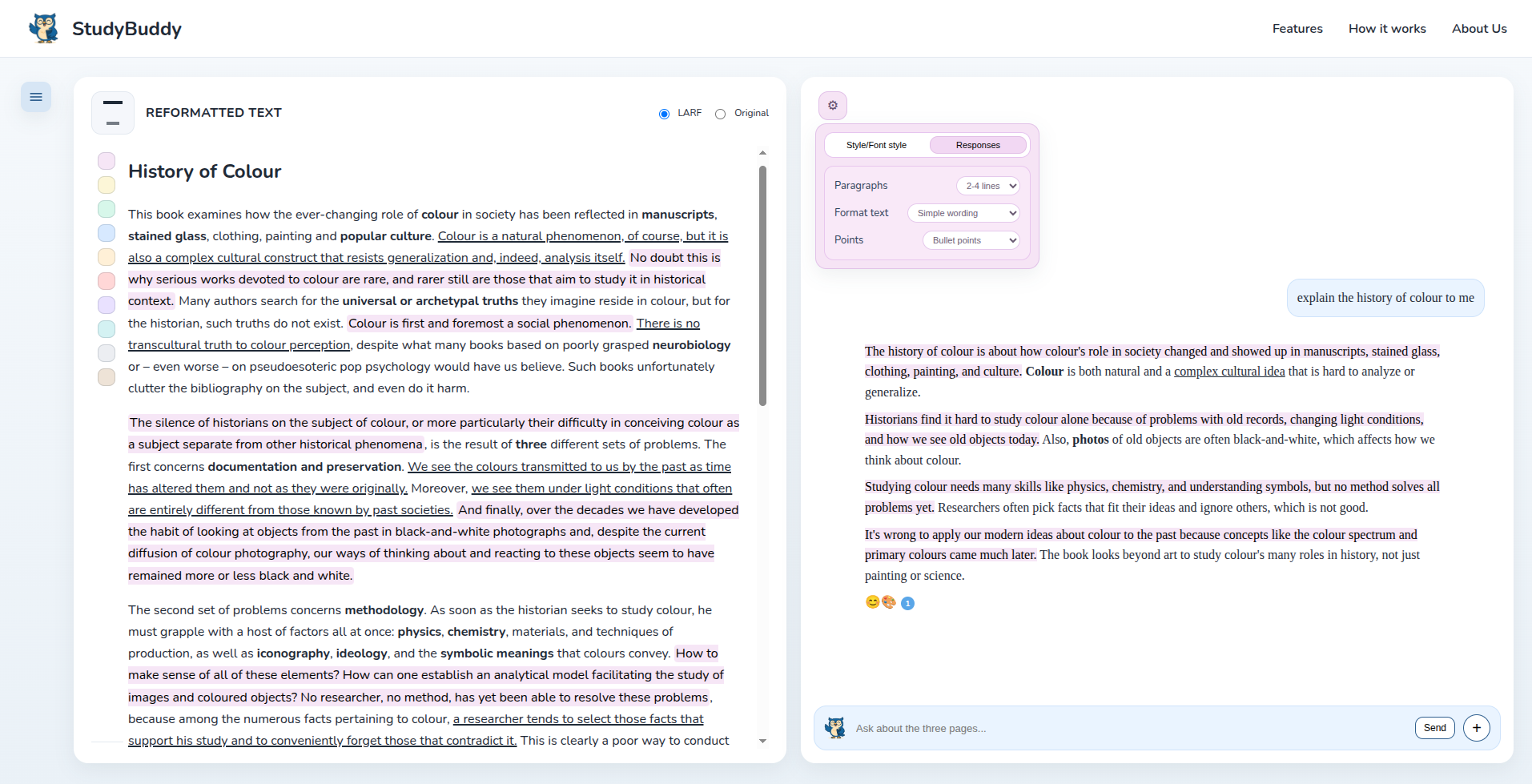
For my master thesis, I designed a study tool that helps dyslexic students learn with structured, supportive, and distraction-free flows.
Project Snapshot
Role: Thesis author, UI/UX Designer, and Developer
Team: Individual contributor
Timeline: 1 year total, including 2 user studies; core design phase completed in 2 months
Context
Students with dyslexia face structural barriers in traditional learning environments. For my master's thesis, I researched how guided, distraction-free digital tools can reduce cognitive load and better support retention and confidence.
My Role
I led the end-to-end user-centered process, including user studies with dyslexic students to evaluate usability and reading support patterns. Their feedback directly informed multiple design and interaction iterations before implementation. I then designed and developed the full solution as part of my thesis.
Process
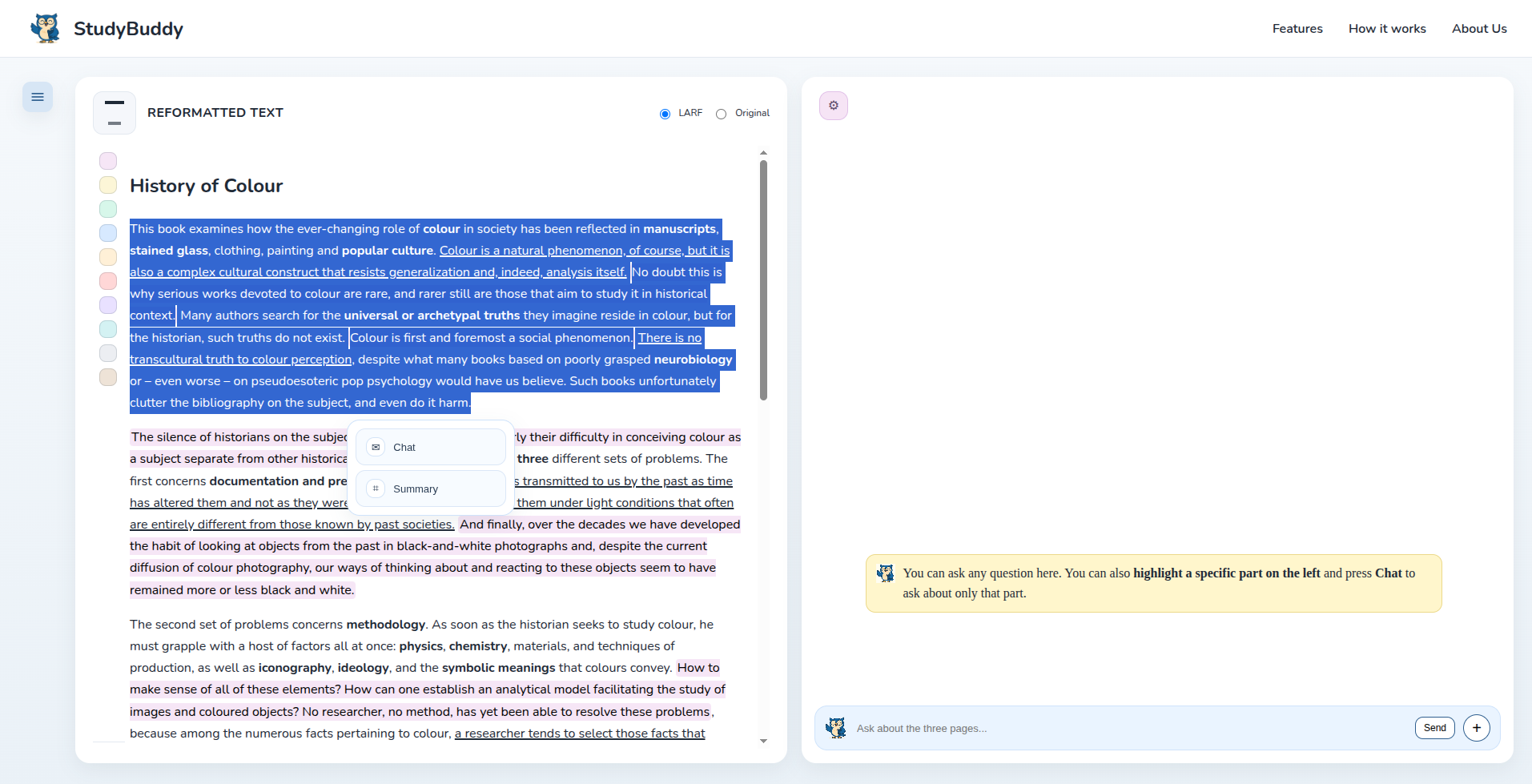
I combined user interviews, usability testing sessions, and prototype evaluations with dyslexic students, then translated the findings into iterative UX updates and AI-assisted reading flows.
Outcome
User studies informed multiple iteration rounds, and participants reported higher reading confidence and lower friction compared with unguided study workflows in thesis evaluations.
Tech Stack
Figma, UX research methods, prototyping workflows, Python, RAG pipelines, LLM engineering, HTML, CSS, JavaScript.
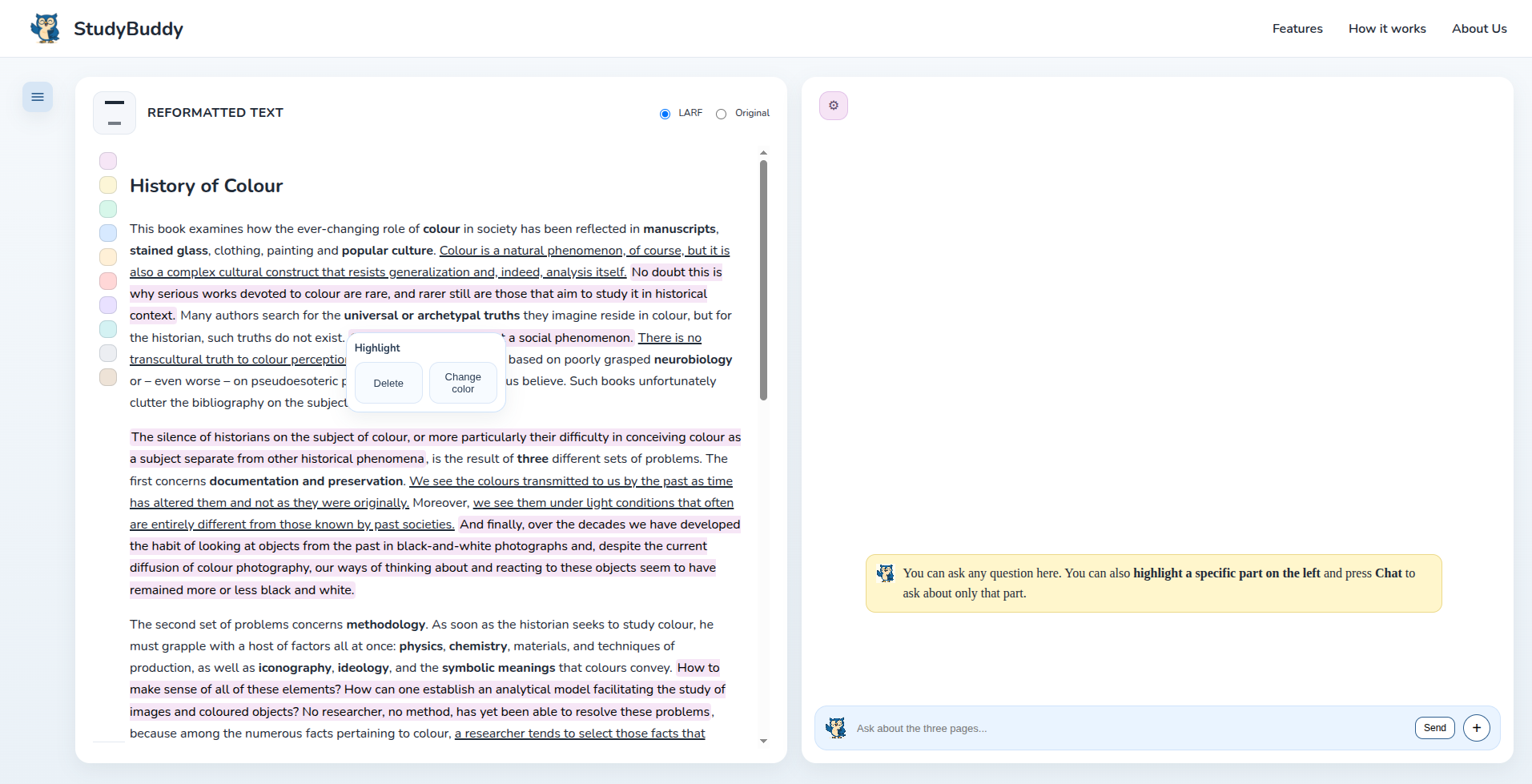
Tool Preview